
Echoes of the Past: Ancient History & Modern Engineering
While Solar Alegria is your peaceful sanctuary to relax and recharge, the surrounding Vouga region is an open-air museum. For thousands of years, humans have shaped these rugged mountains and deep river valleys—leaving behind a fascinating trail of mysteries, breakthroughs, and architectural wonders.
If you love history, archaeology, or simply walking among monuments wrapped in local folklore, these incredible sites and tours are all just a short drive from our guest house.
The Era of Giants: 6,000-Year-Old Dolmens
Thousands of years before the Egyptian Pyramids, a mysterious Neolithic culture raised massive stone monuments across our region. Solar Alegria sits perfectly positioned to explore the Viseu Dão Lafões Megalithic Route, a world-class network of 28 monumental tombs and standing stones that is part of the official European Network of Megalithic Routes.
What makes our region’s prehistoric art unique is the sheer concentration of ancient geometric paintings and stone carvings.
The Giants of Sever do Vouga
You don’t have to drive far to find the start of the route; three spectacular monuments sit right in our local municipality:
The Cerqueira Dolmen (Casa da Moura)
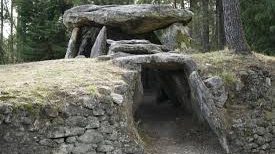
Located about 20 minutes away in Couto de Esteves, this is one of the most perfectly preserved dolmens in northern Portugal, featuring a mind-boggling 14.5-ton stone cap. Look closely at the headboard stone to find ancient, faded geometric engravings.
The Chão Redondo Necropolis
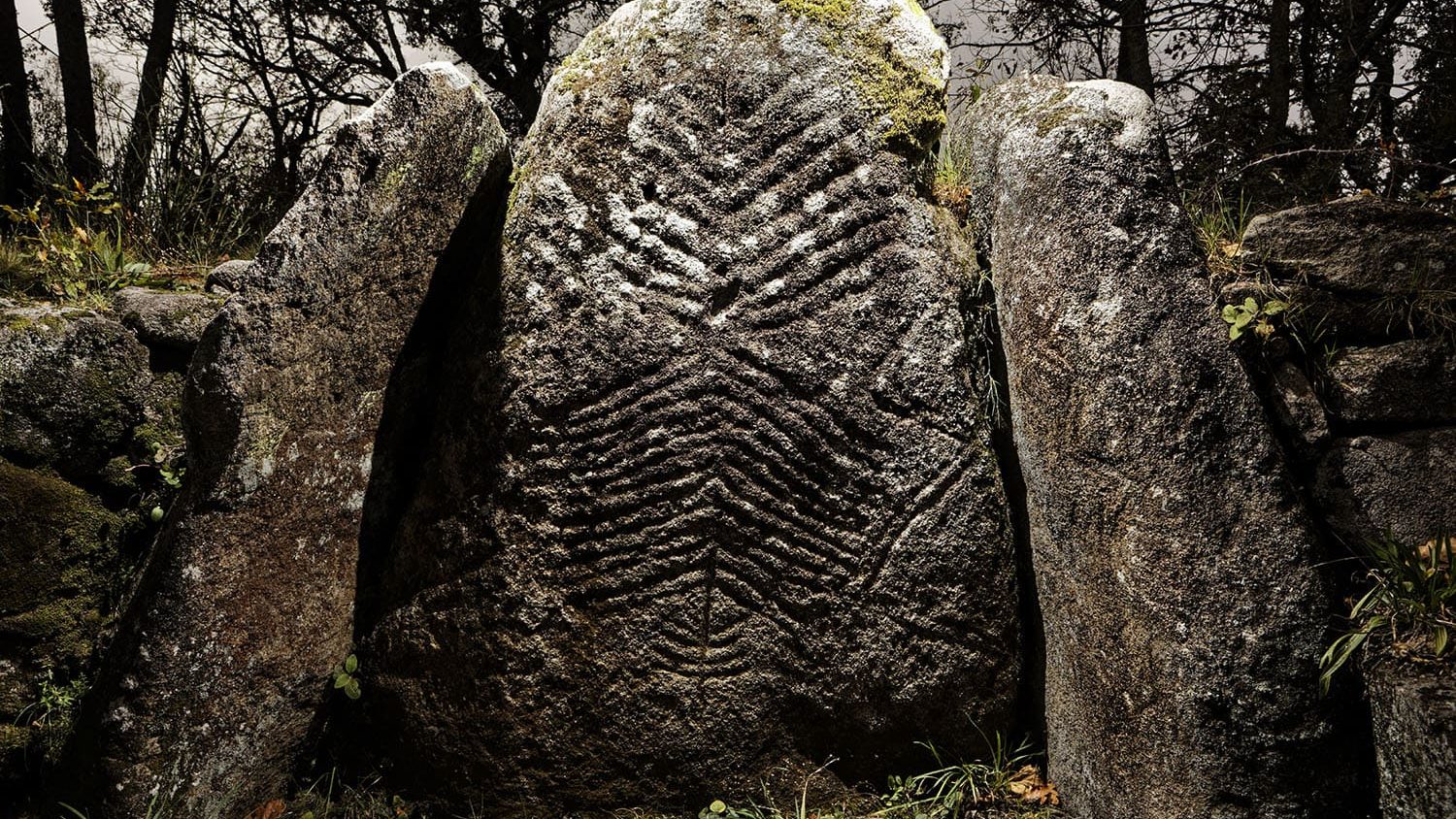
Found 25 minutes away in Talhadas, this burial site is legendary among European archaeologists for its incredibly lavish zigzag, wave, and circle engravings inside the hidden tomb chamber.
Anta da Capela dos Mouros
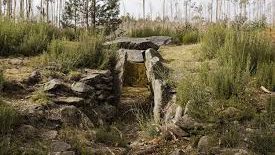
Another beautiful nearby portal tomb steeped in local legend and folklore.
The Masterpieces of Oliveira de Frades & Vouzela
Just a short drive further inland, you can check off more incredible stops along the route.
Dólmen de Antelas
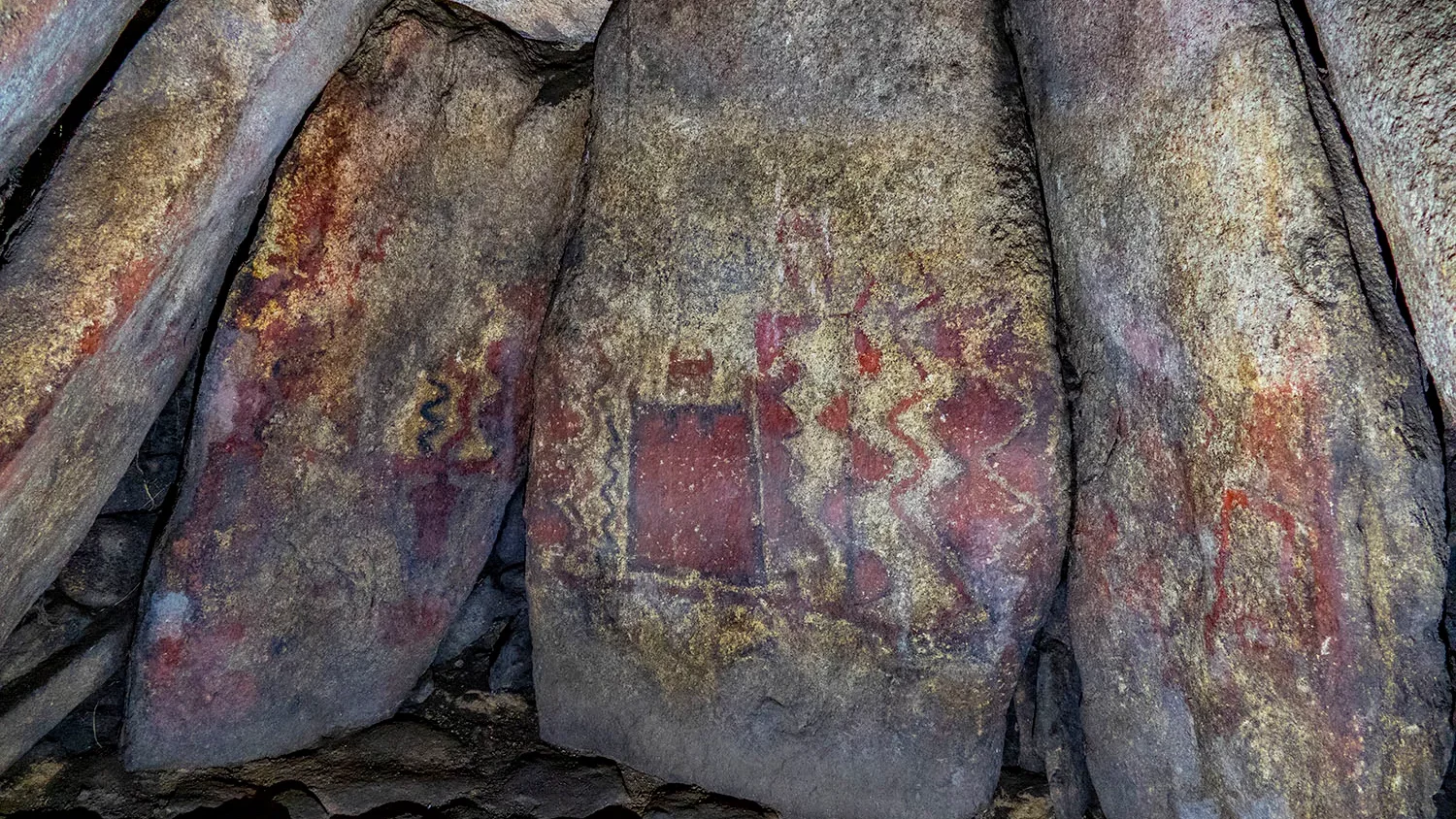
Universally famous for its exceptionally rare, painted interior. The vertical granite stones inside are covered in prehistoric red and black ocher paintings depicting abstract figures and patterns.
Oliveira de Frades
Anta do Espírito Santo D’Arca
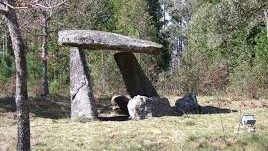
A colossal stone structure standing dramatically in an open field, showcasing the sheer scale of ancient engineering.
Lapa da Meruje (Vouzela)
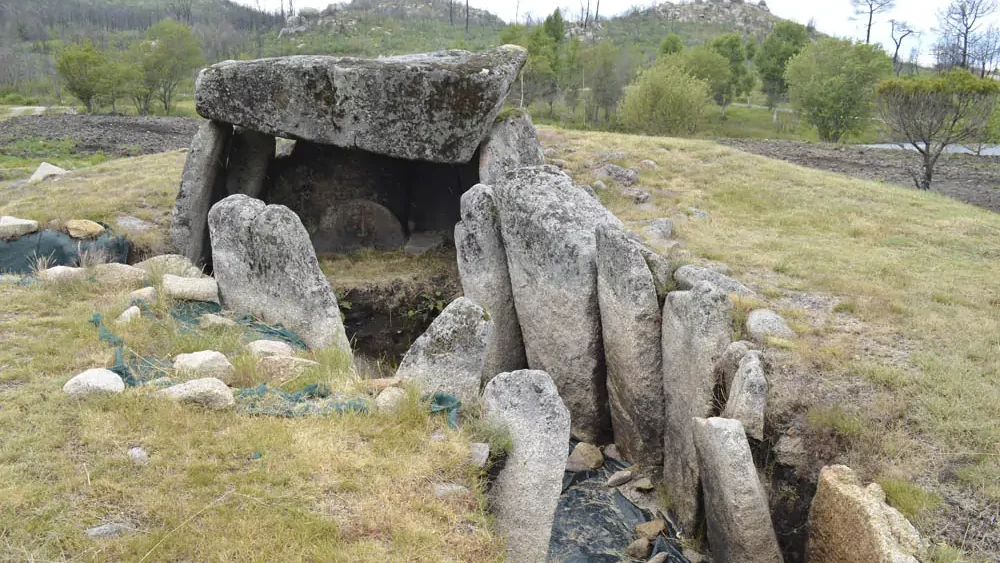
A beautiful monument hidden in the forested mountains, perfect for combining a scenic nature hike with ancient history.
Vouzela
The Roman Footprint: Tracks, Roads, and Outposts
The Romans arrived in the Iberian Peninsula in the 2nd century BC, completely transforming these rugged mountains into a bustling network of commerce, mineral mining, and military routes. Our local region sat on a critical strategic crossroads connecting the great Roman capital of Olissipo (Lisbon) and Bracara Augusta (Braga) to the rich interior mining regions of Viseu.
Here are the key locations where you can literally walk over the very same stones laid down by Roman engineers over 2,000 years ago.
The Ereira Roman Road
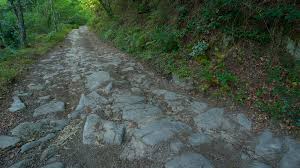
The History: This road was engineered specifically to haul heavy cartloads of silver, copper, and lead mined from the mountains down to the trading ports on the Vouga River. Look for the ancient stone boundary marker carved with local history at the northern edge.
Distance from Solar Alegria: ~20 minutes away (Talhadas / Ereira)
The Sights: Located near the village of Ereira, you can explore a remarkably preserved 70-meter stretch of an original ancient diverticulum (secondary Roman road). It is built of massive, interlocking granite slabs averaging nearly 3 meters wide.
Via Romana de Postaneiros
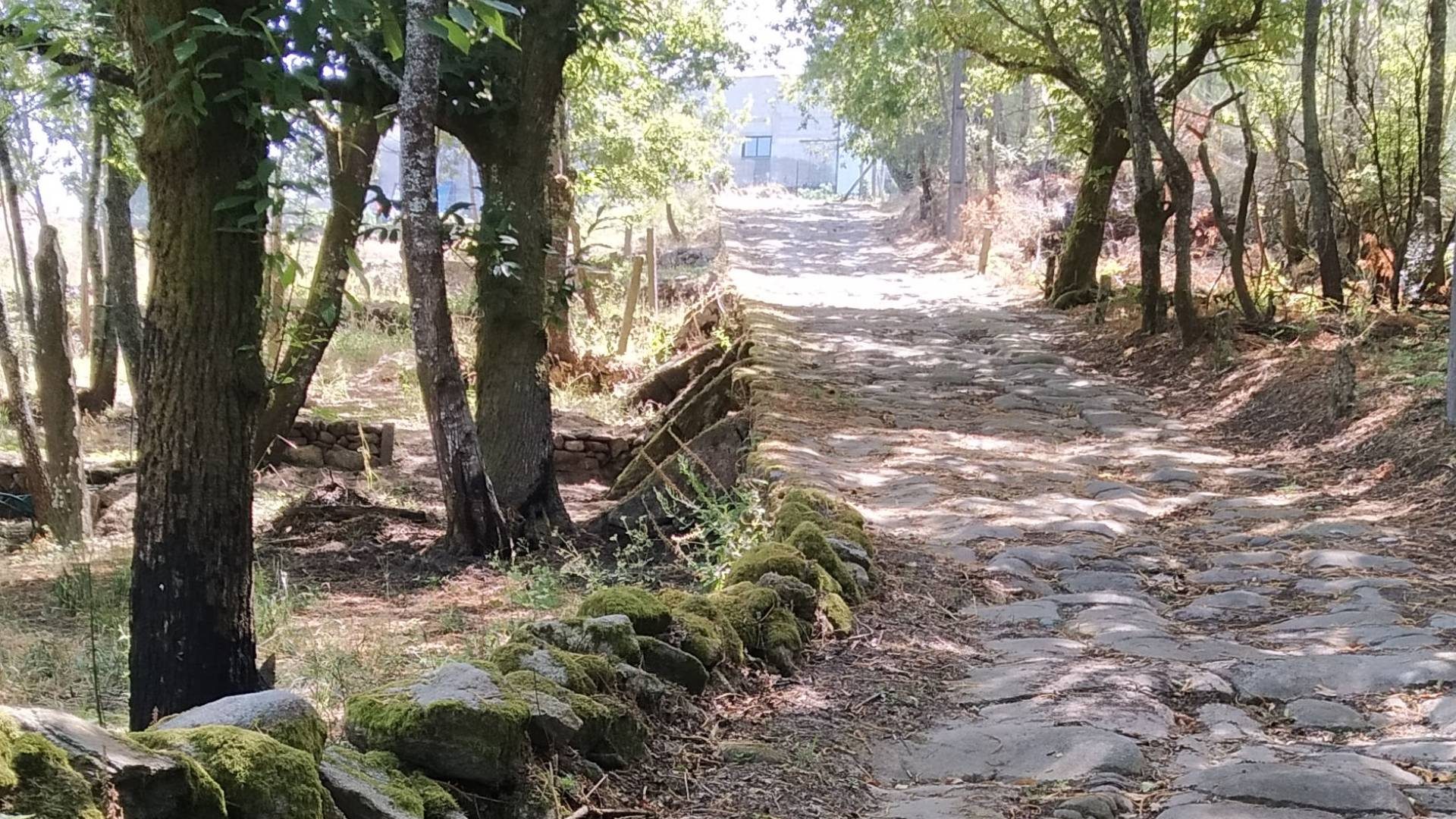
The Sights: This historic section of Roman road directly connected the ancient hub of Viseu to our coastal areas. It winds through a gorgeous, atmospheric wooded trail past old stone villages like Reigoso and Benfeitas. Walking this path feels entirely detached from the modern world.
Distance from Solar Alegria: ~15–20 minutes away
The Archeological Enigma of Talábriga
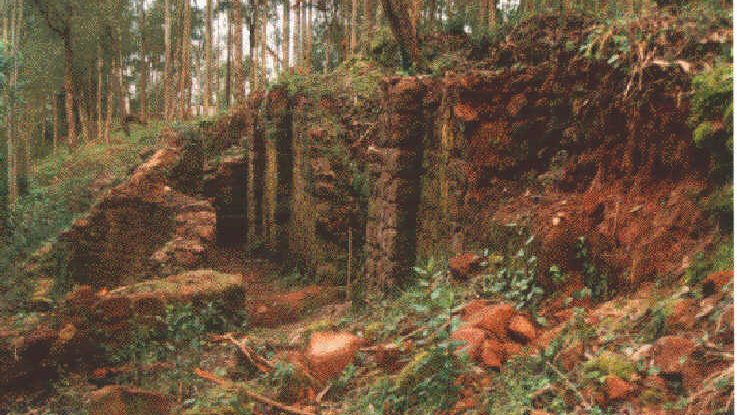
The Sights: Perched on a hill overlooking where the Vouga River meets the coastal plains, this site is widely believed by historians to be the lost Roman city of Talábriga. Excavations have uncovered ancient residential foundations, Roman pottery, and defensive structures indicating it was a primary military and trading outpost.
Distance from Solar Alegria: ~25 minutes away (Cabeço do Vouga)
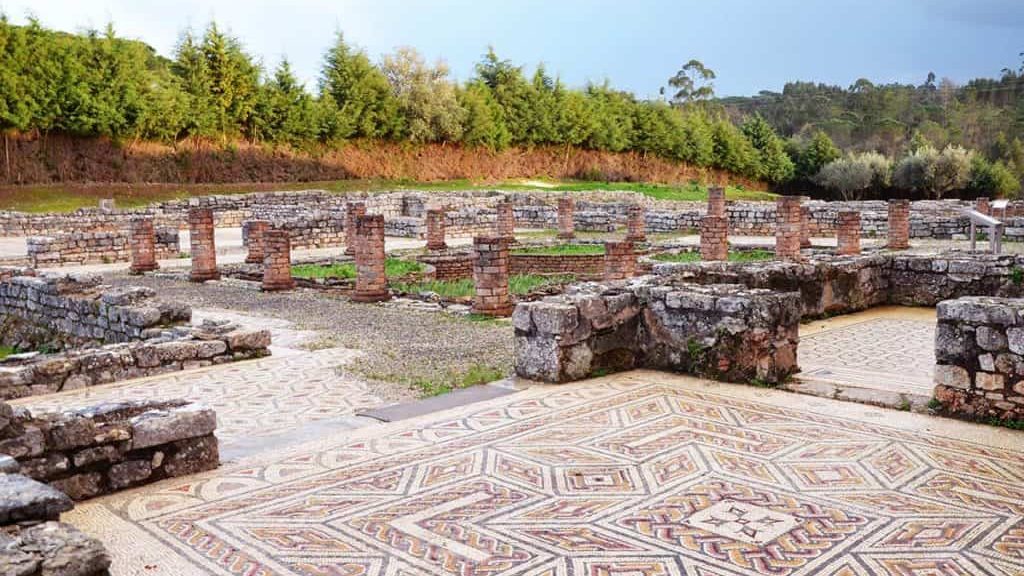
The Grand Roman Day Trip: Conímbriga
If you have a passion for grand-scale monuments, take a 1-hour drive south to Conímbriga. It is one of the largest and most spectacularly preserved Roman cities in Western Europe. You can wander through intact aristocratic villas, marvel at colossal fully-intact floor mosaics depicting hunting scenes, and see the working underground piping that once fed the city’s opulent public baths.
The Industrial Era: Steam, Rails, and Iron
As the 19th and 20th centuries arrived, the region underwent an incredible industrial boom. The challenging, mountainous terrain forced brilliant engineers to construct dramatic monuments that have since been reclaimed by nature and repurposed for modern travelers.
The Ecopista do Vouga (The Rail-to-Cycle Trail)
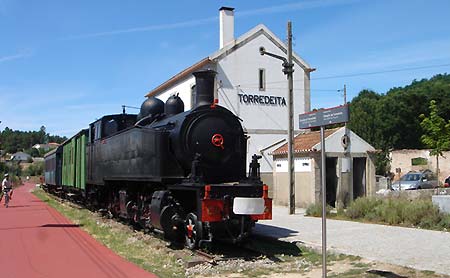
The Story: Originally built in 1908, the Linha do Vouga was a historic narrow-gauge railway that connected the coast to the interior mountains. For decades, steam engines chugged through these valleys carrying timber, goods, and passengers.
The Poço de Santiago Bridge
The crown jewel of the Ecopista. This towering stone railway bridge crosses high above the Vouga River. Walking or cycling across its massive stone arches gives you a dramatic bird’s-eye view of the river canopy below.
- Today’s Experience: The old tracks have been completely transformed into a gorgeous, car-free eco-trail (ciclovia/ecopista). It is entirely flat, smooth, and perfect for a peaceful walk or bike ride through lush eucalyptus forests, past abandoned old train stations, and across spectacular river viewpoints.
The Modern Era: Taming Water and Wind
History is still being written in our hills.
Today, the region is a powerhouse of clean, modern engineering, where massive infrastructure projects sit side-by-side with wild, untouched nature.
The Colossus of the Vouga: Ribeiradio Dam
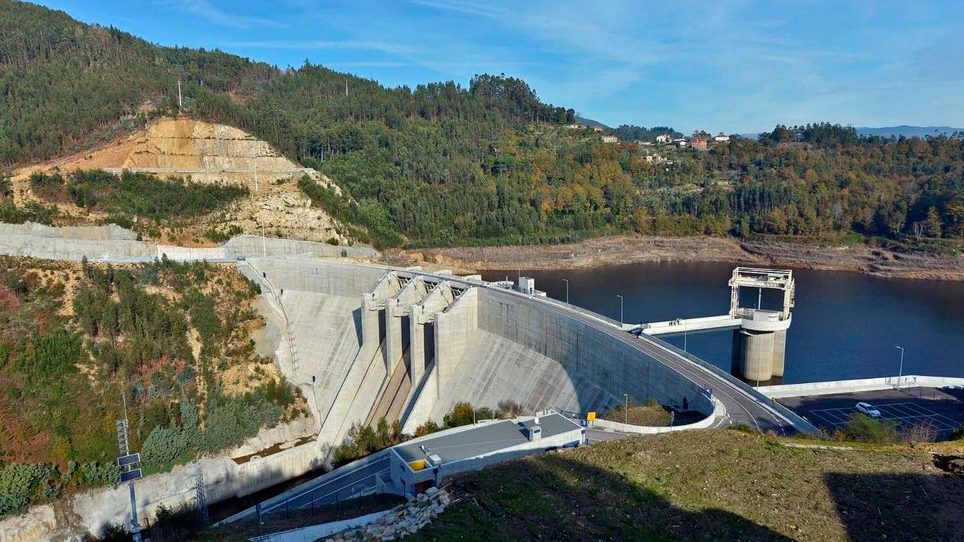
The Story: A true marvel of modern civil engineering. Completed in 2015, the massive Barragem de Ribeiradio stands at an imposing 74 meters (240 feet) tall, completely reshaping the canyon landscape to generate clean hydroelectric power.
The Experience: The sheer scale of this concrete giant walling up the river canyon is breathtaking. The dam created a massive, winding reservoir lake that reflects the surrounding green mountains. It is a fantastic spot for panoramic photography and marveling at human ingenuity.
The Guardians of the Serras: Mountaintop Wind Farms
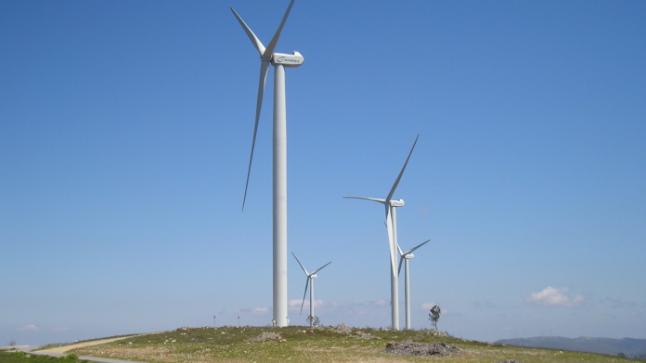
Dominating the skylines of Serra do Gralheiro and Serra da Freita
The Story: Look up at the highest ridges surrounding us, and you will see giant white wind turbines standing like silent guardians against the sky. These high-altitude serras (mountain ranges) boast some of the best wind energy conditions in Portugal.
The Experience: Driving or hiking up to the crests of the mountains brings you face-to-face with these clean-energy giants. Standing directly underneath a spinning turbine to hear the quiet, rhythmic whoosh of its blades—while taking in 360-degree views stretching all the way to the Atlantic coast—is an unforgettable, surreal experience.

 English
 French
 Portuguese
 Spanish